
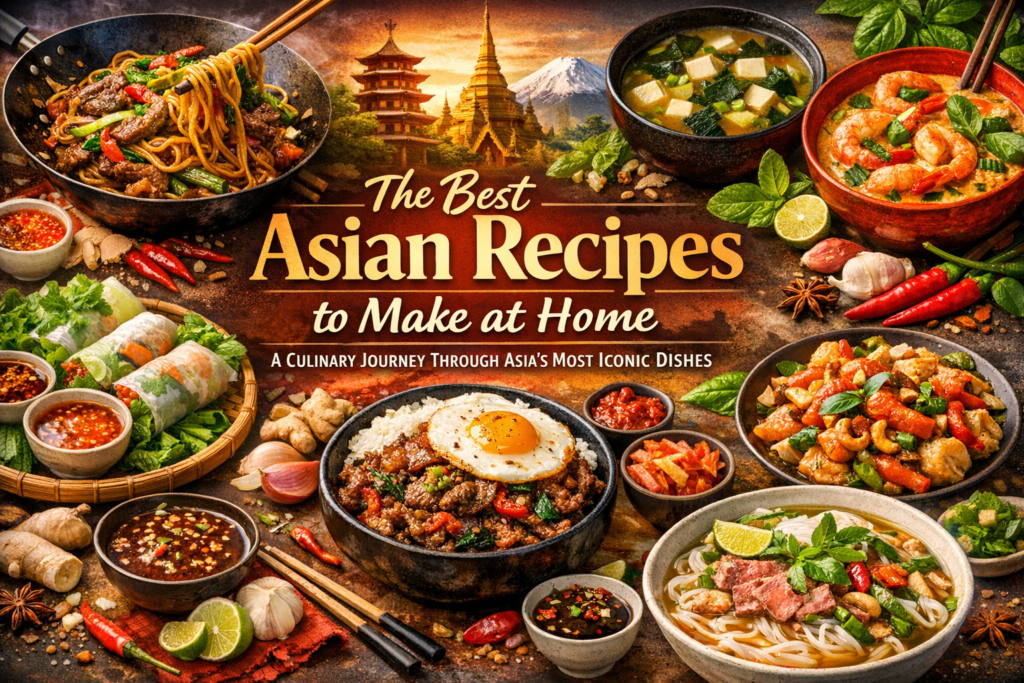
Asia is home to nearly half the world’s population — and arguably all of its most exciting food. From the fiery, bold stir-fries of China to the fragrant coconut curries of Thailand, the deeply umami-rich bowls of Japan, and the vibrant, herb-loaded dishes of Vietnam, Asian cuisine is an endlessly layered, wildly diverse universe of flavor that has been captivating the world for centuries.
And in 2026? Asian recipes are more popular than ever. From quick stir-fries to deeply cozy comfort food, these are the dishes people are cooking, saving, and sharing again and again — tried-and-true recipes with bold flavors, simple steps, and results you’ll want to make on repeat. Ynetnews
The incredible thing about Asian cooking at home is how approachable it really is once you understand the fundamentals. The right pantry staples, a few core techniques, and a good recipe are all you need to bring the flavors of Asia’s greatest kitchens straight to your table. This guide covers the best Asian recipes region by region — with everything you need to cook them confidently and deliciously.
Why Asian Cuisine Is Unlike Anything Else in the World
What makes Asian food so special — so universally craveable, so endlessly varied? The answer lies in how it balances flavor. Asian cooking brings together bold flavors and fresh ingredients in ways that create dishes that are both comforting and exciting. The mix of sweet, salty, sour, and spicy tastes is the foundation of the cuisine’s remarkable depth.
Every region within Asia tells a completely different culinary story. Chinese cooking is built on high-heat wok technique and layered sauces. Thai cooking celebrates the harmony of contrasting flavors — sour lime, sweet palm sugar, salty fish sauce, and fiery chili all in a single dish. Japanese cooking values restraint, precision, and the quiet power of umami. Korean cooking brings fermented depth and bold spice. Vietnamese cooking layers freshness and brightness over rich broths.
From Chinese Chow Mein to Thai Pad Thai, the breadth and quality of Asian recipes available to the home cook today is extraordinary — and you don’t need to order takeout to enjoy these flavors at home. Making authentic Asian dishes in your own kitchen is easier than you might think. TasteAtlas
Let’s begin.
The Asian Pantry: Stock These and You’re Ready to Cook the Continent
Before diving into recipes, you need the right foundation. Start with just a few essentials that appear frequently across most Asian recipes: light soy sauce, dark soy sauce, sesame oil, oyster sauce, rice vinegar, and cornstarch. Add more as you try new recipes — you don’t need to buy everything at once. Earth And Oven
Here’s your essential Asian pantry shopping list:
The Sauces:
- Soy sauce (light and dark) — the backbone of Chinese, Korean, and Japanese cooking
- Oyster sauce — thick, savory, slightly sweet; transforms any stir-fry instantly
- Fish sauce — essential in Thai and Vietnamese cooking; adds deep umami without tasting “fishy”
- Sesame oil (toasted) — because of its strong, nutty aroma and flavor, sesame oil is often added toward the end of cooking or used as a finishing touch — that final drizzle makes a huge difference in flavor Oh Sweet Basil
- Rice vinegar — mild and slightly sweet, rice vinegar adds brightness and tang to sweet-and-sour sauces, dressings, and dipping sauces Earth And Oven
- Hoisin sauce — sweet and savory; think of it as Asian barbecue sauce
The Aromatics:
- Ginger, garlic, and scallions — the holy trinity of Chinese cooking, and equally essential across most of Asia Half Baked Harvest
- Fresh chilies and chili paste — for heat that you can control
- Shallots — milder than onions, perfect for stir-fries and sauces
The Dry Pantry:
- Cornstarch — essential for thickening sauces, marinating meat, and creating that beautifully crispy crust when pan-frying TikTok
- Five-spice powder — a mixture of star anise, clove, cinnamon, fennel seed, and Sichuan peppercorn; warm, savory, and a tiny amount goes a very long way TikTok
- Jasmine rice — the Thai-native grain with its distinctive floral aroma and slightly sticky, fluffy texture, used across Southeast Asian cuisines TikTok
- Rice noodles and egg noodles — for soups, stir-fries, and everything in between
Pro Tip: With just these pantry staples, you can cook countless delicious Asian dishes at home — and the money you spend on them will pay for itself in saved takeout many times over. Oh Sweet Basil
Chinese Recipes: Bold, Wok-Fired, and Deeply Satisfying
1. Mongolian Beef — Better Than Any Takeout
This Mongolian beef features melt-in-your-mouth tender strips of beef stir-fried in a silky, velvety sauce — and you can cook it in less time than a trip to the takeout place. It tastes so much better homemade. Koshari Shack
How to make it at home:
Slice beef sirloin or flank steak very thinly against the grain. Toss with cornstarch — this absorbs moisture and creates a beautifully crispy crust when pan-fried. TikTok Sear in a screaming hot wok with a splash of oil in batches until caramelized. Set aside.
For the sauce: combine soy sauce, dark soy sauce, a tablespoon of brown sugar, minced garlic, grated ginger, and a pinch of chili flakes. In the same wok, fry sliced garlic and ginger for 30 seconds, then pour in the sauce. Let it bubble and thicken for a minute. Return the beef, toss to coat every strip in that glossy sauce, and scatter sliced scallions generously over the top.
Serve immediately over steamed jasmine rice.
Pro Tip: The cornstarch coating on the beef is what creates that signature silky, restaurant-quality sauce texture. Don’t skip it — it makes the beef tender and helps every bit of sauce cling beautifully.
2. Chinese Tomato and Egg Stir-Fry — The Ultimate Comfort Dish
This is one of the most beloved everyday Chinese dishes — a simple, one-pot vegetarian stir-fry that generations of Chinese families grew up eating. It needs only a handful of everyday ingredients and comes together in minutes. Ossiano
How to make it at home:
Beat 4–5 eggs with a pinch of salt and a drizzle of sesame oil. In a hot wok, scramble the eggs in oil until just set but still slightly runny. Remove and set aside. In the same wok, stir-fry sliced garlic in oil for 30 seconds, then add 3 large ripe tomatoes cut into wedges. Cook on high heat until the tomatoes release their juices and soften. Season with soy sauce, a pinch of sugar, and salt to taste. Return the eggs, toss gently to combine, and finish with a drizzle of sesame oil and fresh scallions.
Serve over fluffy white rice. Simple, nourishing, and deeply satisfying.
Why it works: The natural acidity and sweetness of ripe tomatoes paired with the richness of egg creates a sauce that’s more complex than the ingredient list suggests. This is humble cooking at its absolute finest.
3. Chicken Fried Rice — The Perfect Use for Leftover Rice
This 30-minute Chinese fried rice has a garlic and ginger sauce that is absolutely to die for — and it’s the perfect quick weeknight dinner. Country and Town House
How to make it at home:
The secret to great fried rice is using day-old cold rice — freshly cooked rice is too moist and steams instead of frying. Spread your leftover rice on a plate and let it air out for an hour if you don’t have day-old rice.
In a screaming hot wok, stir-fry diced chicken breast with garlic, ginger, and soy sauce until golden. Push to the side, crack in 2–3 eggs and scramble until just set. Add the cold rice and toss everything together vigorously over high heat. Season with soy sauce, oyster sauce, sesame oil, and white pepper. Add frozen peas and diced carrots, toss for another minute, and finish with sliced scallions.
Pro Tip: High heat and constant movement are everything in fried rice. The goal is to fry and char the rice slightly — not steam it. Use the highest heat your stove can produce and keep everything moving.
Thai Recipes: The Perfect Balance of Sweet, Sour, Salty, and Spicy
4. Thai Basil Chicken (Pad Krapow Gai) — 15 Minutes of Pure Flavor
Thai Basil Chicken — or Pad Krapow Gai — is bursting with flavor and can be whipped up in 15 minutes or less. Straight from the streets of Bangkok to your kitchen, this might be the easiest recipe you make all week. Koshari Shack
How to make it at home:
In a very hot wok, fry minced garlic and sliced fresh chilies in oil for 30 seconds until fragrant. Add ground chicken (or finely chopped chicken breast) and stir-fry on high heat, breaking it up as it cooks. Once browned, season with oyster sauce, soy sauce, a touch of fish sauce, and a pinch of sugar. Stir to coat everything in the sauce. Remove from heat and immediately fold in a generous handful of fresh Thai basil leaves — the heat will wilt them perfectly.
Serve over jasmine rice with a fried egg on top. The runny yolk mixing into the spiced chicken is one of the greatest simple food pleasures in existence.
Pro Tip: Fresh Thai basil has a distinct anise-like flavor that regular Italian basil can’t fully replicate. If you can find it at an Asian grocery store, it is absolutely worth the trip.
5. Thai Cashew Chicken — A Stir-Fry Night Game-Changer
Thai Cashew Chicken is an easy dish bursting with layers of flavor and texture. Just a little chopping, a quick mixed sauce, and a speedy stir-fry is all the effort needed to put this tasty and nutritious dinner on the table. Koshari Shack
How to make it at home:
Make your sauce first: combine oyster sauce, soy sauce, rice vinegar, a teaspoon of sugar, and a teaspoon of chili paste. Set aside.
Stir-fry sliced chicken thighs in a hot wok until golden. Add sliced red bell peppers, onion wedges, and dried chilies. Toss for 2 minutes until the vegetables are tender-crisp. Pour in the sauce, toss everything to coat, and add a large handful of toasted cashew nuts. Finish with a drizzle of sesame oil and fresh scallions.
The cashews aren’t just a garnish — they are the textural heart of this dish. Their buttery crunch against the glossy sauced chicken is what makes this recipe so completely irresistible.
6. Thai Coconut Curry — Creamy, Fragrant, and Deeply Warming
This Thai curry is an explosion of flavor — from the light fruitiness of aromatics to the richness of coconut, this dish wows anyone who eats it. Country and Town House
How to make it at home:
In a deep pan or wok, fry 2–3 tablespoons of Thai red or yellow curry paste in a splash of oil for 1–2 minutes until deeply fragrant. Add sliced chicken breast or thighs and sear briefly. Pour in a full can of coconut milk and half a cup of chicken stock. Add fish sauce, a pinch of sugar, and sliced kaffir lime leaves if available. Simmer for 15 minutes until the chicken is cooked through.
Add sliced zucchini, bell peppers, or baby spinach in the last 5 minutes. Finish with fresh lime juice and torn fresh basil. Serve over jasmine rice with extra lime wedges on the side.
Pro Tip: Ground spices bloom and develop when added early — fry your curry paste in oil before adding any liquid. This releases the fat-soluble aromatics and creates the deep, complex flavor that makes Thai curry taste restaurant-worthy at home. Pyramids Golf Travel
Japanese Recipes: Quiet Power, Perfect Umami
7. Japanese Miso Soup — The Five-Minute Wonder
Miso soup is perhaps the most deceptively simple dish in all of Japanese cooking. Done properly, it is deeply nourishing, perfectly balanced, and quietly extraordinary.
How to make it at home:
Heat 3 cups of water with a small piece of dried kombu seaweed until just before boiling. Remove the kombu. Dissolve 2–3 tablespoons of white or yellow miso paste in a ladle of the hot broth, then stir into the pot — never boil miso directly, as it destroys its delicate flavor compounds.
Add cubed soft tofu and sliced shiitake mushrooms. Heat gently for 2 minutes. Serve in small bowls topped with sliced scallions and a tiny drizzle of sesame oil.
Pro Tip: White miso (shiro miso) delivers a milder and slightly sweeter flavor than red miso, making it perfect for everyday soup. It’s a deeply versatile ingredient beyond soup — whisk it into dressings, marinades, and sauces for instant umami depth. Oh Sweet Basil
8. Teriyaki Chicken Bowl — Japan’s Greatest Weeknight Gift
Teriyaki is one of those cooking techniques that seems almost too simple — until you taste it done properly, and realize that simplicity was always the point.
How to make it at home:
Make the teriyaki sauce: combine soy sauce, honey, minced garlic, grated ginger, and a splash of rice vinegar. That’s it.
Marinate chicken thighs in half the sauce for at least 20 minutes. Grill or pan-sear the chicken until caramelized and cooked through. Meanwhile, simmer the remaining sauce in a small pan until it thickens into a glossy glaze. Brush over the finished chicken.
Serve over steamed short-grain Japanese rice with steamed broccoli or edamame, pickled cucumber slices, and sesame seeds scattered generously over the top. The contrast between the sweet-savory glazed chicken and the clean, simple rice is deeply satisfying.
Korean Recipes: Bold, Fermented, and Utterly Addictive
9. Korean Beef Bowl — The Viral Recipe That Earns Its Fame
The Korean-inspired beef bowl is one of the biggest viral food trends of 2026 — and it’s beautifully simple: ground beef with soy sauce, garlic, and sesame oil, served over rice with a fried egg. Yes, it’s that good. Asperogroup
How to make it at home:
In a hot pan, brown ground beef and drain excess fat. Add minced garlic, grated ginger, soy sauce, a teaspoon of sesame oil, a pinch of sugar, and gochujang (Korean chili paste) to your preferred heat level. Toss everything together until the beef is coated in that glossy, savory sauce.
Serve over steamed rice topped with a fried egg, sliced scallions, sesame seeds, and a drizzle of extra sesame oil. Add kimchi on the side if you have it — the fermented sourness cuts through the richness of the beef perfectly.
Pro Tip: Gochujang adds gentle heat, sweetness, and deep savory flavor all at once — it’s incredibly versatile. Don’t be afraid to experiment with it beyond this recipe; it works as a marinade, a dipping sauce base, and a stir-fry seasoning across countless dishes. Oh Sweet Basil
10. Korean-Style Chicken Stir-Fry with Gochujang Glaze
Bold, sticky, slightly spicy, and impossible to stop eating — this is the dish that converts people to Korean cooking permanently.
How to make it at home:
Slice chicken breast into thin strips. Toss with cornstarch, soy sauce, and garlic powder. Sear in batches in a very hot pan until golden and slightly crispy. Set aside.
Make the gochujang glaze: combine gochujang paste, soy sauce, honey, rice vinegar, minced garlic, and grated ginger. Pour into the same pan and let it bubble for 1 minute. Return the chicken and toss until every piece is glossy and coated. Add thinly sliced scallions and sesame seeds. Serve immediately over steamed rice with a simple cucumber salad on the side.
Vietnamese Recipes: Fresh, Bright, and Fragrant
11. Vietnamese Pho-Inspired Chicken Noodle Soup
Vietnamese pho is one of the most beloved and recognized Asian dishes in the world — a deeply aromatic broth loaded with spices, served with rice noodles, fresh herbs, and your choice of protein. Country and Town House
How to make it at home (simplified):
Toast whole spices in a dry pan — star anise, cinnamon sticks, cloves, and coriander seeds — until fragrant. Add to a pot with chicken stock, sliced ginger, and a halved onion. Simmer for 30–40 minutes, then strain the broth. Season with fish sauce and a pinch of sugar until the broth tastes clean, deep, and slightly sweet.
Cook rice noodles separately according to package instructions. Divide into deep bowls, ladle the hot broth over the noodles, and add thinly sliced cooked chicken breast. Serve with a plate of fresh accompaniments: bean sprouts, fresh lime wedges, Thai basil, sliced fresh chili, and fresh cilantro. Each person adds their own garnishes — that’s the soul of pho.
Pro Tip: The spice-toasting step is what separates an extraordinary pho broth from a bland one. Those 3 minutes of dry-toasting unlock aromatic compounds that hours of simmering alone can never replicate. Never skip it.
12. Vietnamese Lemongrass Chicken — Fresh, Fragrant, and Fast
This dish captures the essence of Vietnamese cooking: fragrant, bright, fresh, and deeply flavorful with minimal effort.
How to make it at home:
Blend 2 lemongrass stalks (white part only), 3 garlic cloves, 2 shallots, fresh ginger, and a red chili into a rough paste. Marinate chicken thighs in this paste with fish sauce, a pinch of sugar, and a squeeze of lime juice for at least 30 minutes.
Pan-sear or grill the chicken over high heat until caramelized on the outside and cooked through. The lemongrass chars slightly at the edges — that’s exactly what you want.
Serve over rice noodles or jasmine rice with a simple salad of shredded cucumber, fresh mint, cilantro, and a lime-fish sauce dressing on the side.
Asian Noodle Dishes: A Category That Deserves Its Own Spotlight
13. Pad See Ew — Thailand’s Greatest Stir-Fried Noodle
A classic Thai Pad See Ew seems like a basic stir-fried noodle dish, but truth be told there’s a fair amount of finesse going on behind the scenes. When done right, this simple street food recipe becomes a true knockout. Shiny Egypt Tours
How to make it at home:
Soak wide flat rice noodles in hot water until pliable but not fully cooked. In a screaming hot wok, sear sliced chicken breast until golden. Push to the side, add the noodles, and let them sit untouched for 30 seconds to char slightly. This char is non-negotiable — it’s what Thais call “wok hei” and it’s everything.
Add beaten eggs and scramble through the noodles. Season with dark soy sauce, light soy sauce, oyster sauce, and a pinch of sugar. Toss vigorously, add Chinese broccoli or regular broccoli florets, and stir-fry for another minute. Serve immediately with sliced fresh chili and lime.
Building the Perfect Asian Feast at Home
Want to host an Asian-themed dinner night? Here’s a region-spanning spread that showcases the continent’s range:
Start with: Miso soup and fresh spring rolls with peanut dipping sauce Main event: Korean beef bowl, Thai cashew chicken, and Vietnamese lemongrass chicken Noodles: Pad See Ew or Mongolian beef with rice Sides: Steamed jasmine rice, pickled cucumber salad, kimchi, and roasted edamame Finish with: Fresh tropical fruit — mango, pineapple, and lychee
The Most Common Mistakes When Cooking Asian Food at Home
Overcrowding the wok. This is the number one Asian cooking mistake. Too many ingredients and the temperature drops — your food steams instead of fries. Cook in batches and give everything space.
Using low heat for stir-fries. High heat is essential in Asian stir-fry cooking. Ground spices and sauces need that heat to bloom and develop their full aromatic potential. Pyramids Golf Travel Turn it up and commit.
Adding sesame oil too early. Sesame oil can quickly become overpowering and its delicate flavor burns off at high heat — use it sparingly as a finishing oil, drizzled just before serving rather than as a cooking oil. Half Baked Harvest
Skipping the marinade time. Even 20–30 minutes of marinating transforms the flavor and texture of meat in Asian cooking. When a recipe calls for marinating, give it the time it deserves.
Using pre-ground spices that have been sitting for months. Ground spices shine brightest when they are fresh. Store your Asian pantry staples in a cool, dark place and replace them regularly — stale spices produce flat, lifeless results no matter how good your technique is. Pyramids Golf Travel
Final Thoughts: Asia Is Waiting in Your Kitchen
The greatest food adventure you can take doesn’t require a plane ticket, a passport, or a restaurant reservation. You can cook easy, healthy, deeply flavorful Asian recipes at home — and most of the essential ingredients can be found right at your local grocery store. Here & Now
What Asian cuisine teaches us — above everything else — is that extraordinary flavor doesn’t require complexity. It requires the right ingredients, respected technique, high heat, and the courage to season with confidence. A handful of pantry staples, one well-seasoned wok, and the recipes in this guide are genuinely all you need.
Start with the Korean beef bowl if you’re a beginner. Move to the Thai cashew chicken when you’re ready for more. Work your way through the entire guide dish by dish — and somewhere along the way, you’ll realize that cooking Asian food at home no longer feels like an adventure. It feels like coming home.
Leave a Reply